
We hope to be a place where parents can turn to for assistance in order to create the best place for their child
Our Mission
We are dedicated to empowering autistic children to embrace their unique strengths and potential. By creating supportive environments that nurture individuality, sensory needs, and social-emotional growth, we help each child find their place in the world. Our mission is to provide a foundation for these children to thrive, ensuring they are valued, understood, and prepared for the future.
Our Vision
We envision a world where autistic children are embraced for who they are, where their differences are celebrated, and where they are given the tools to succeed on their own terms. Our foundation strives to create inclusive communities that foster acceptance, belonging, and the opportunity for every child to flourish in a world that appreciates neurodiversity.
Our Model
Rooted in evidence-based practices and child-led learning, our model focuses on addressing the sensory, emotional, and developmental needs of autistic children. We incorporate the QI skills framework, building on the strengths of each child while promoting resilience, emotional intelligence, and social interaction. Through enriched caregiving, individualised support, and a language-rich environment, we guide children on their journey toward self-discovery, confidence, and belonging.
The values and goals that align with our mission, vision, and model:
Our Values
1. Inclusivity – We believe that every child, regardless of their abilities, deserves to feel accepted and valued. We strive to foster environments that embrace neurodiversity and ensure that autistic children feel a sense of belonging in every space they enter.
2. Individuality – Each child is unique, and we celebrate their differences. We honour their perspectives, allowing them to express themselves freely while supporting their individual strengths, challenges, and sensory needs.
3. Empowerment – We are committed to helping children and their families build the confidence and skills necessary to navigate the world. We empower them by equipping them with the tools, strategies, and emotional resilience to succeed.
4. Collaboration – We believe in the power of working together—with families, educators, and communities. Through strong relationships and open communication, we create a network of support that uplifts every child.
5. Respect – We treat every child with the dignity and respect they deserve. Our foundation operates with compassion, understanding, and a commitment to honouring the unique qualities of every individual.
6. Innovation – We remain curious, open to new ideas, and continuously seek to improve. By embracing creative approaches to education and therapy, we strive to offer the most effective and supportive interventions for the children we serve.
Our Goals
1. Create Safe and Supportive Environments – Develop and provide sensory-friendly, emotionally supportive spaces where autistic children can feel secure, understood, and valued.
2. Promote Self-Advocacy and Confidence – Empower children to embrace their individuality, helping them develop self-advocacy skills and the confidence to navigate diverse environments and social situations.
3. Foster Strong Partnerships with Families and Educators – Strengthen collaboration with families, educators, and therapists to ensure a cohesive, supportive network that prioritises the child’s growth and well-being.
4. Build Emotional and Social Skills – Utilise the QI skills framework to cultivate emotional intelligence, social awareness, and resilience in autistic children, preparing them for lifelong success.
5. Encourage Language and Communication Development – Foster language-rich environments where communication is celebrated in all its forms, whether verbal or non-verbal, ensuring that every child has the tools to express their needs, thoughts, and feelings.
6. Promote Awareness and Advocacy for Neurodiversity – Advocate for greater understanding, inclusion, and acceptance of neurodiversity in society, creating a more inclusive world for autistic individuals.
7. Ensure Long-Term Impact – Continuously evaluate and improve our programmes, ensuring that we are meeting the evolving needs of the children and families we serve, and making a lasting impact on their lives.
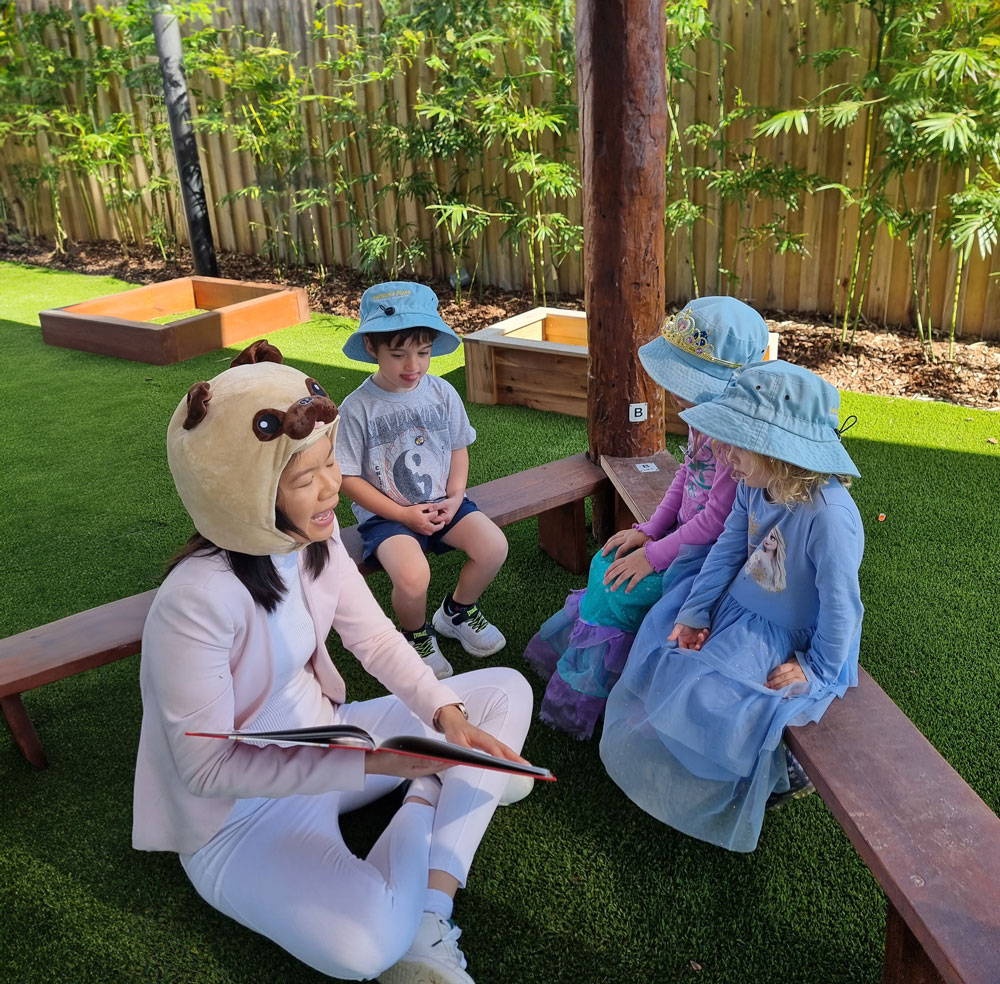
How the QI (Chi) Pronounced (Key) skills framework aligns with our foundation’s mission, vision, and model, tailored to the needs of autistic children
Dr Laura Jana – paediatrician
The QI skills framework—Me, We, Why, Will, Wiggle, Wobble, and What if—is a holistic approach that fosters emotional intelligence, resilience, and life skills, which are vital for the growth and development of every child, especially those on the autism spectrum. These skills align with our foundation’s commitment to creating environments where autistic children can thrive and find their place in the world.
1. Me: Self-Awareness
• Mission Alignment: We are committed to helping autistic children understand and embrace their unique selves. The Me skill focuses on developing self-awareness, helping children recognise their strengths, challenges, and sensory preferences.
• Vision Alignment: We envision a world where autistic children confidently navigate their surroundings, secure in their individuality and self-worth.
• Model Integration: By providing sensory-friendly spaces and individualised support, we help children explore and accept their sensory needs, emotions, and identities. This forms the foundation of their self-awareness and self-advocacy.
2. We: Social Skills and Relationships
• Mission Alignment: We aim to create environments where autistic children can build positive relationships and feel a sense of belonging. The We skill encourages children to understand and connect with others, promoting empathy, communication, and cooperation.
• Vision Alignment: Our vision of a neurodiverse world depends on building strong, inclusive communities where autistic individuals are embraced.
• Model Integration:Through structured and natural play, small group experiences, and collaborative learning, we create opportunities for autistic children to be immersed in social interactions, understand social cues, and form meaningful relationships while respecting their individual boundaries.
3. Why: Critical Thinking and Understanding
• Mission Alignment: We are committed to nurturing curiosity and helping autistic children make sense of their world. The Why skill fosters a sense of inquiry, encouraging children to ask questions (through all forms of communication) and explore the reasons behind events and feelings.
• Vision Alignment:We see a future where autistic children are confident in their ability to question, explore, and understand the world around them. •
• Model Integration: Our model emphasises child-led learning and exploration. Through open-ended play and inquiry-based approaches, we give children the freedom to follow their interests, encouraging their natural curiosity and critical thinking abilities.
4. Will: Self-Regulation and Perseverance
• Mission Alignment: We aim to equip autistic children with the tools they need to manage their emotions and overcome challenges. The Will skill focuses on building self-regulation, perseverance, and a growth mindset.
• Vision Alignment: We envision autistic children facing challenges with resilience, using strategies to manage stress, anxiety, and sensory overload.
• Model Integration: By integrating mindfulness practices and personalised strategies for sensory regulation, we support children in learning how to calm their minds, manage emotions, and persevere through difficulties. This empowers them to handle transitions and challenges both in and outside of structured settings.
5. Wiggle: Physical Health and Sensory Integration
• Mission Alignment: Recognising the importance of physical movement and sensory regulation for autistic children, the Wiggle skill promotes physical activity and awareness of sensory needs.
• Vision Alignment: We envision children thriving in environments that allow them to move freely and explore their sensory preferences in a way that supports both their emotional and physical well-being.
• Model Integration: Our model incorporates movement-based activities that help children regulate their bodies and integrate their sensory experiences. Whether through structured sensory play, physical activities, or calming exercises, we focus on helping children stay connected with their bodies while navigating their environment.
6. Wobble: Resilience and Adaptability
• Mission Alignment: We are committed to helping children learn how to adapt to changes and uncertainty in a way that respects their individual needs. The Wobble skill helps children develop resilience and adaptability, allowing them to recover from setbacks and cope with changes.
• Vision Alignment: We strive for a future where autistic children can navigate life’s unpredictability with confidence, equipped with tools that help them adapt while feeling safe and supported.
• Model Integration: Through gradual exposure to new experiences, transitions, and challenges, we help children practice flexibility in a structured, supportive environment. By offering consistent routines alongside opportunities for change, we encourage children to build their adaptability without overwhelming them.
7. What If: Creativity and Problem-Solving
• Mission Alignment: We believe in nurturing the creative potential of every child. The What If skill fosters imagination, creativity, and problem-solving, encouraging children to think outside the box and explore new possibilities.
• Vision Alignment: We envision a world where autistic children are empowered to use their creativity and unique ways of thinking to solve problems and approach the world in innovative ways.
• Model Integration: Our approach encourages creative thinking through open-ended play, imaginative experiences, and problem-solving exercises. We provide spaces where children can explore different ways to approach tasks, fostering an environment of creativity and innovation.

